Let's talk about the thing nobody mentions on the pill packet
You're on birth control. Your skin cleared up, your cramps disappeared, your periods became predictable. And somewhere in there, pleasure just... got quieter. Not gone. Just muffled. Like someone turned down the volume on your own body. That's not you. That's not broken. That's your hormones literally changing how your nerve endings function.
Here's what I want you to know first: this is reversible, it's common, and there are actual tools (like a lemon clitoral vibrator) that work with your body instead of against it while you figure out what comes next.
What hormonal birth control actually does to sensation
When you take combined hormonal contraceptives (the pill, patch, or ring), you're introducing synthetic estrogen and progestin into your system. These override your natural cycle and suppress ovulation. That's the goal. But here's the part your doctor probably didn't explain: those same hormones affect blood flow, nerve sensitivity, and the composition of vaginal tissue.
Estrogen plays a role in maintaining tissue thickness and elasticity. When synthetic hormones suppress your natural estrogen, the tissue lining your vulva and vagina gets thinner. Thinner tissue means fewer nerve endings firing at full capacity. It's like turning down the volume on a speaker instead of switching it off entirely. Everything still works. It just takes more signal to register the same sensation.
Progestin (the synthetic progesterone in most pills) can also dampen dopamine and norepinephrine. These are the neurotransmitters that drive desire and arousal. So you're dealing with two simultaneous changes: reduced nerve sensitivity and reduced chemical drive to feel pleasure in the first place.
Add in the fact that hormonal contraceptives can reduce testosterone production (yes, people with ovaries make testosterone too, and yes, it matters for desire), and you've got a triple hit: less nerve signal, less desire chemistry, and less of the hormone that fuels arousal.
Why a standard vibrator doesn't always cut it
If you've tried a regular vibrator and found it either too intense or oddly numb, that's not a reflection on you. It's a reflection on how your nervous system is currently wired.
When sensation is dulled, aggressive vibration can feel overwhelming in the wrong way. Your nerves might register it as buzzing or pressure without pleasure. Or it might feel fine for thirty seconds and then become numb because you're not getting the variable stimulation your body needs.
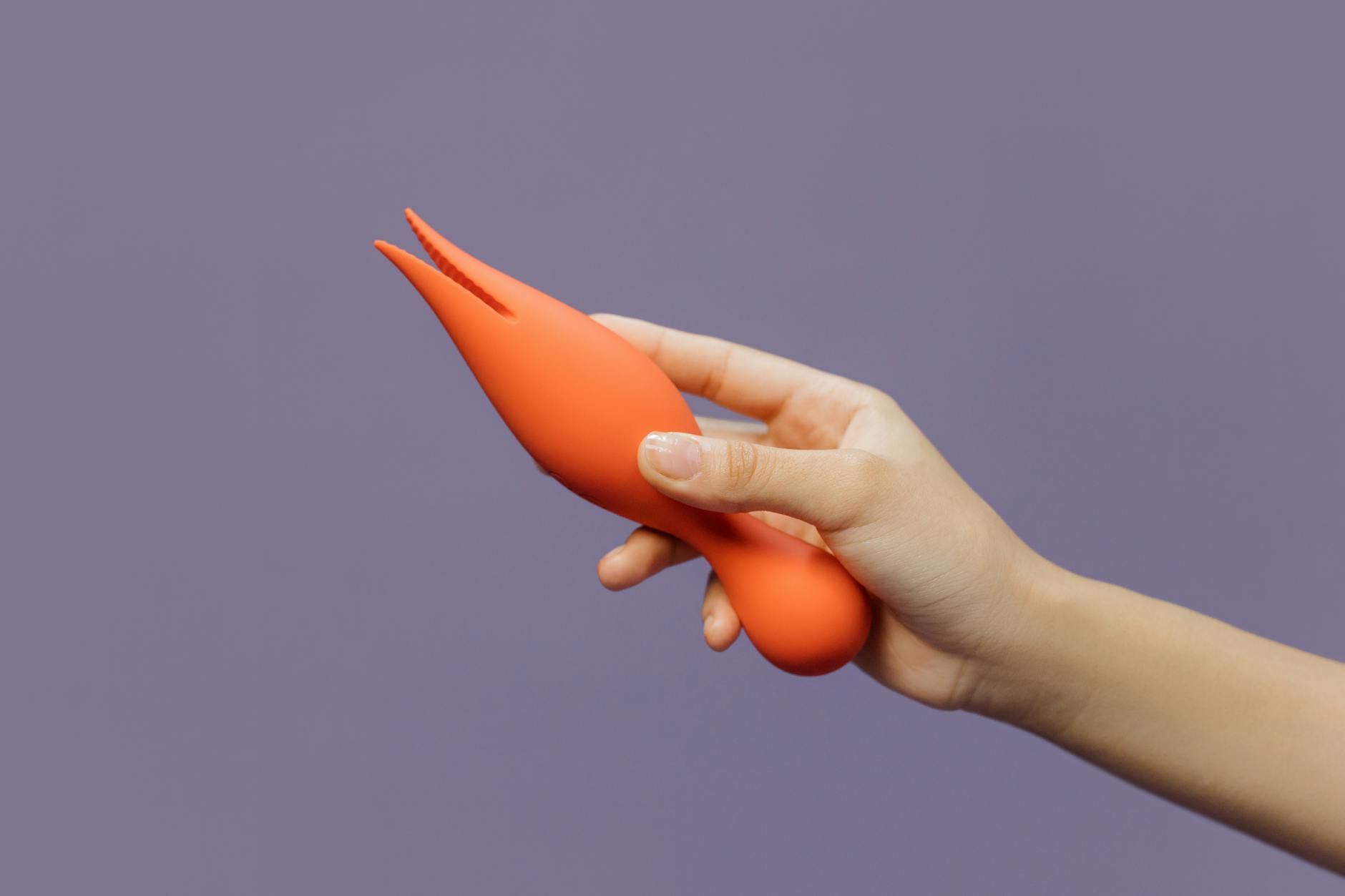
A lemon vibrator (specifically, a lemon clitoral vibrator or suction-style device like the Lem) works differently. Instead of standard vibration, it uses gentle pulsing suction. This approach has several advantages when you're on hormonal birth control.
First, suction creates a different kind of stimulation. Rather than relying solely on the sensitivity of your outer nerves, it engages deeper nerve pathways and tissue. Second, the pattern of suction gives your nervous system more to work with. It's rhythmic but varied, which can help rebuild arousal when it's dampened. Third, you have more control. You can start at the gentlest setting and build gradually.
How to actually use a lemon sucker when sensation feels flat
Start low. I mean lower than you think you need. If your lemon clitoral vibrator has speed settings, begin at pattern one or two. Your nerves need time to "wake up" when they've been quiet. Gentle stimulation over five to ten minutes can often bring more sensation than aggressive stimulation over thirty seconds.
Wet your fingertip and touch the cup. This matters. A tiny bit of moisture helps the seal form properly and prevents the uncomfortable sensation of suction pulling on dry tissue. You're not looking for vaginal lubrication here. Just a finger-lick amount of moisture on the cup itself.
Position it so the cup forms a gentle seal around your clitoris. Not pressed hard. Just resting. Let the device do the work. Your job is to breathe, relax, and notice what you're feeling. This part is crucial when sensation is dulled. You need to pay attention to what's happening, which means quieting the rest of your mind.
Once you've got the seal, let it run for two to three minutes. Literally just exist with it. This isn't rushing to orgasm. This is reintroducing your nervous system to pleasure. After a few minutes, you can experiment with changing the pattern or intensity, but only if you want to. Many people find that the gentlest setting, used consistently, brings back sensation faster than chasing intensity.
The timeline for nerve sensitivity to return
This is where patience gets real. If you've been on hormonal birth control for years, your nerve sensitivity didn't disappear overnight, and it won't come back overnight either. But it does come back.
In the first two weeks of regular use (three to four times per week), you might notice sensation starting to shift. Not dramatically. Small things. A slightly stronger feeling. A slightly faster building of arousal. These are signs that your nervous system is responding.
By week four to six, most people report noticeable improvement. Not back to baseline, but clearly different. The numb feeling starts lifting. Orgasms become more achievable or more intense.
If you stay on birth control long-term, your body adapts. You might never quite return to pre-pill sensation, but you can regain a solid baseline. The key is not expecting it to happen in one session, then giving up. Consistent, gentle stimulation over weeks is how this works.
Consider talking to your doctor about alternatives
If sensation matters to you, and it matters enough that you're reading this article, then your doctor needs to know. Not everyone's body tolerates combined hormonal contraception equally. Some people have minimal impact on sensation. Others find it significant.
There are other options. Progestin-only pills (the mini-pill) have a gentler hormonal profile. IUDs (both hormonal and non-hormonal) bypass systemic hormone changes entirely. Barrier methods, if they fit your life, eliminate the hormonal piece altogether. Non-hormonal copper IUDs are highly effective and don't touch your estrogen or testosterone.
I'm not saying stop your birth control. I'm saying: if sensation matters, that's a valid conversation to have with someone who can discuss alternatives with you. Maybe you stick with what you're on and use a lemon clitoral vibrator. Maybe you explore other options. But the decision should be informed.
The unexpected benefit of rebuilding sensation
Here's something that surprises a lot of people. Once you start using a lemon vibrator consistently while on hormonal birth control, you often become much more aware of what brings you pleasure. You slow down. You pay attention. You notice the difference between sensation that feels good and sensation that feels like obligation.
That awareness stays with you even after sensation fully returns (or even if you switch birth control methods). You've essentially rebuilt your arousal literacy. You know what you need. You know how to ask for it. That's a skill that makes every sexual experience better, not just the ones involving a vibrator.
When to seek additional support
If you've been using a lemon clitoral vibrator consistently (three to four times per week) for eight weeks and feel no change in sensation, that's worth discussing with a healthcare provider. Sometimes sensation loss isn't just about hormones. Stress, relationship friction, mental health shifts, or other medications can compound the issue.
A good sexual health specialist or therapist can help you untangle what's hormonal and what's circumstantial. Often it's both. And addressing both moves you forward faster than trying to solve one in isolation.
Your pleasure matters. Not as a luxury. As a signal from your body about what it needs. Birth control pills are a solid option for many people, but they're not neutral. They change you. And when change affects something as fundamental as pleasure, that's information worth paying attention to.
FAQ: Sensation, birth control, and lemon vibrators
Can I use a lemon vibrator if I'm taking combination birth control pills?
Absolutely. In fact, many people on hormonal contraceptives find that a lemon clitoral vibrator helps rebuild sensation in a way that standard vibrators don't. The gentle suction pattern is often less jarring when nerve sensitivity is dampened.
How long does it usually take to feel sensation returning?
Most people notice shifts within two to four weeks of consistent use (three to four times per week), but it varies. If you've been on birth control for a decade, rebuilding sensation might take eight to twelve weeks. If you've been on it for a year, it might happen faster. The longer you've been on it, the longer the rebuild usually takes.
What if the suction feels uncomfortable rather than pleasurable?
That usually means one of three things: the seal isn't forming right, you're using too high a pattern too early, or your body needs more time to adjust. Try a gentler pattern (usually pattern one), make sure there's a tiny bit of moisture on the cup, and let it run for just two minutes. You're not trying to reach orgasm. You're rebuilding sensitivity.
Is the numbness permanent if I stay on birth control?
No. Your body adapts, and you can rebuild sensation using tools like a lemon sucker even while staying on the pill. That said, if sensation is a priority for you, having a conversation with your doctor about other contraceptive options (like copper IUDs or progestin-only methods) is worth doing.
Can birth control affect orgasm ability too, or just sensation?
Both. Hormonal contraceptives can change how quickly arousal builds, how intense sensation feels, and how easily orgasms happen. Some people find orgasms harder to reach. Others find they're still possible but require more stimulation or take longer to build. Using a lemon clitoral vibrator often helps by providing consistent, patterned stimulation that can bridge that gap.
Should I stop taking birth control to fix the numbness?
That's between you and your doctor, and it depends entirely on your contraceptive priorities, relationship status, and health situation. Some people do stop and feel sensation return quickly. Others stay on their current method and work with tools like a lemon vibrator while exploring whether a different contraceptive might suit them better. Both approaches are valid. The key is making an informed choice, not just accepting numbness as the cost of contraception.