The Conversation Nobody Wants to Have
Desire mismatch is the most common sexual problem couples face. And honestly? It's not really a sexual problem at all. It's a logistics problem wearing a sex suit.
One of you wants sex twice a week. The other wants it every ten days. One person initiates; the other always deflects. One is thinking about sex on Tuesday morning; the other hasn't thought about it since Saturday night. This gap doesn't mean you don't love each other. It doesn't mean the relationship is broken. It means you have different baseline libidos, and neither of you knows how to talk about it without shame sliding in.
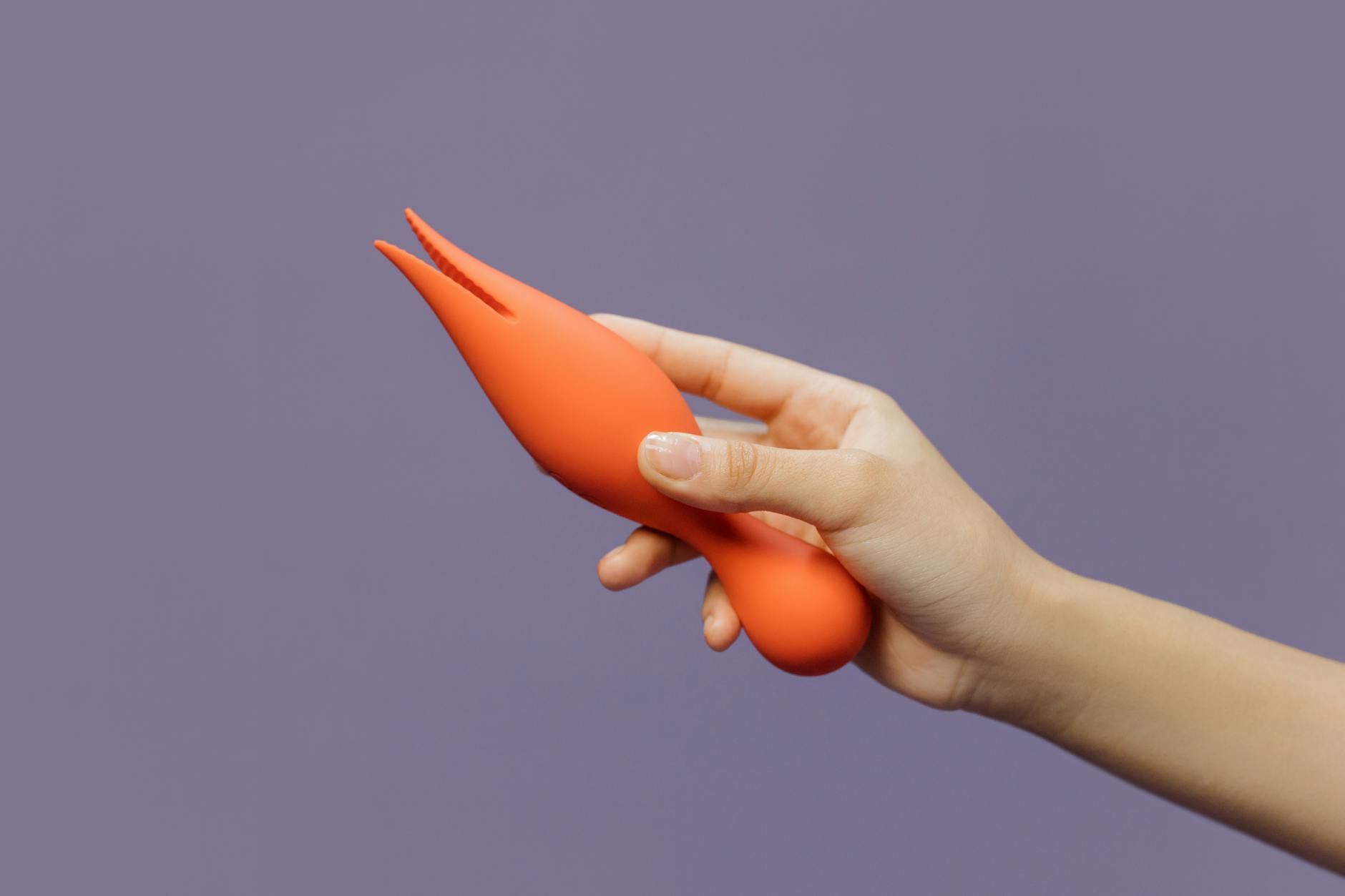
A lemon clitoral vibrator changes the dynamic here, but not the way you might think. It's not a sex toy that "fixes" the problem. It's a tool that lets each partner get what they need without creating a debt in the other.
Why Mismatched Desire Spirals
The higher-desire partner initiates. Gets rejected. Feels unwanted. Stops initiating. The lower-desire partner suddenly feels less pressure, so they actually feel more attracted again. They initiate. The higher-desire partner is now guarded, worried about rejection. And now both people are confused about what they actually want.
The real damage isn't sexual. It's the shame that gets packed into the dynamic. The higher-desire partner feels broken for wanting sex. The lower-desire partner feels guilty for not wanting it as much. Both feel like they're failing at something fundamental.
This is where introducing a tool like a lemon vibrator actually depressurizes the whole thing. It lets the lower-desire partner say "I don't have the bandwidth for partnered sex today, but I do want to feel pleasure." And it lets the higher-desire partner say "I want to be close to you and connected to your pleasure, even if penetrative sex isn't happening."
They're both getting something real. Neither is performing.
The Conversation Before the Vibrator
Don't lead with the toy. Lead with honesty.
Pick a time when you're both calm, fed, and not touching each other. This matters. Desire conversations are harder when you're already in a sexual moment. You'll fall into old patterns.
The higher-desire partner goes first: "I've noticed we want sex at different frequencies. That's normal, but it's making me feel disconnected. I don't want you to do anything you don't want to do. I want us to figure out a way that works for both of us where nobody feels resentful."
Then the lower-desire partner responds honestly, not defensively: "I do feel pressure when you initiate. It's not about you. I just have a lower baseline. I want to figure this out too."
Then you pause. Actually pause. Let that land.
Then one of you says: "What if we tried something different?"
That's when you introduce the idea. Not the vibrator yet. The idea that you could both get pleasure without it having to look like what you think sex should look like.
How a Lemon Vibrator Fits Into This
Let's say your partner's baseline is lower than yours. They're not uninterested. They're just not thinking about sex as often. A lemon vibrator (the suction-based clitoral stimulation is particularly good here) means they can explore pleasure on their own timeline.
But here's the part that changes everything: you can be present in the room while it happens.
This isn't about watching. It's about connection without performance. Your partner touches themselves with the lemon vibrator. You're next to them. Maybe you're reading. Maybe you're touching them in a non-sexual way. Maybe you're talking. The pressure is off, but you're together.
For the higher-desire partner, this often becomes one of the most intimate experiences because it's not about getting something. It's about witnessing pleasure that has nothing to do with you and everything to do with loving someone enough to let them have it.
When Solo Play Actually Strengthens the Partnership
A lot of couples get stuck thinking that pleasure has to be mutual. Both people climaxing. Both people getting something from the same act. This is where desire mismatch creates the most damage, because it's literally impossible.
But if your partner uses a lemon clitoral vibrator on their own while you're there, or while you're video-calling, or while you're in separate rooms knowing it's happening, something shifts. The lower-desire partner isn't performing. The higher-desire partner isn't waiting for approval. Pleasure is decoupled from obligation.
Then, when you do have sex together, it's because you both want to. Not because someone is making a deposit into the sexual debt account.
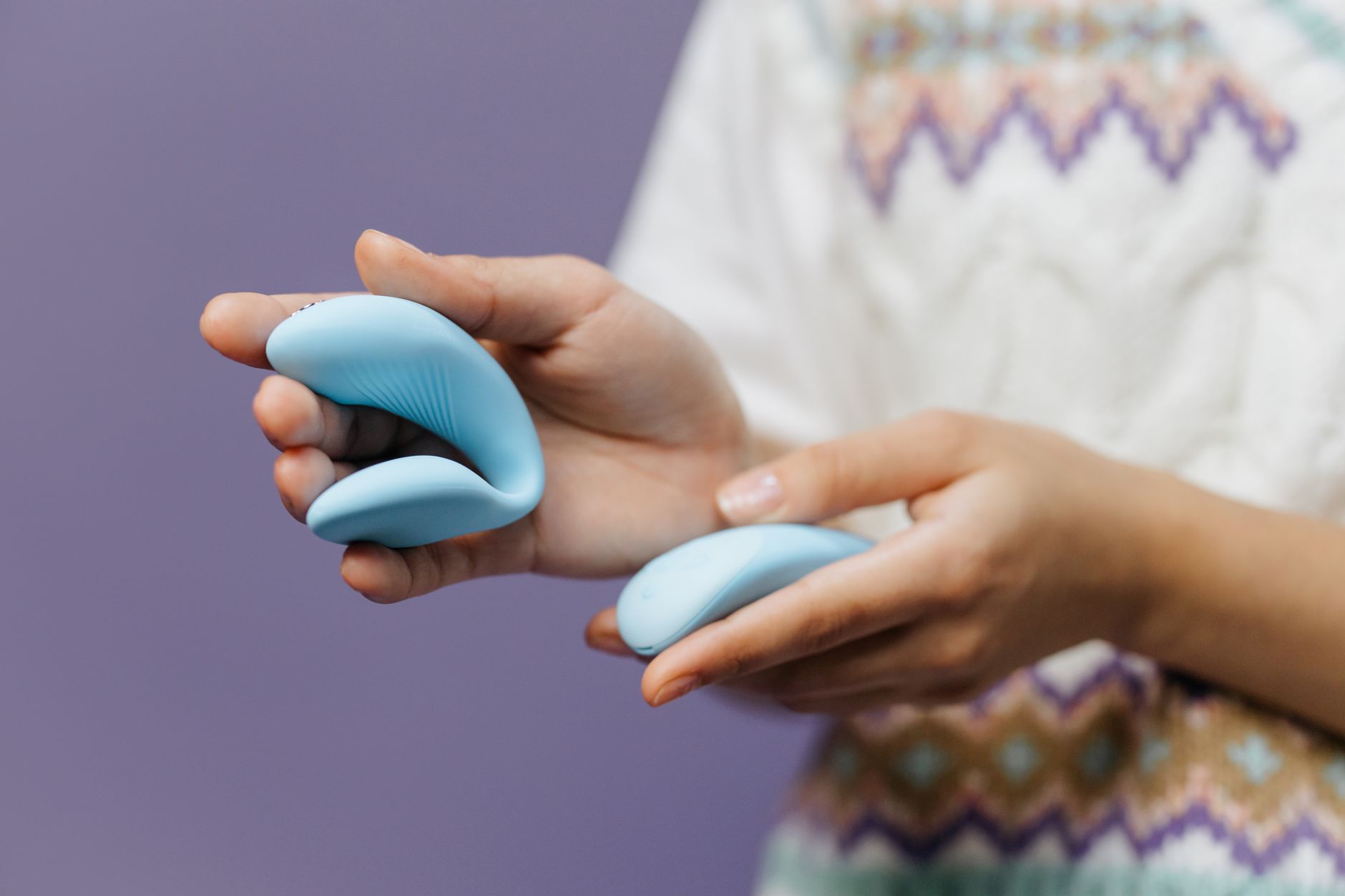
Photo by cottonbro studio on Pexels
The Practical Setup That Actually Works
If you're going to introduce a lemon vibrator into this dynamic, make it easy. Make it normal.
Start by talking about it as a tool for solo pleasure, not partnered sex. "I ordered something I want to try for myself. Would you be okay if I used it?" That's it. Not "let's use this together." Let them see you explore it alone first.
After a few weeks, you might say something like: "I'm feeling really good using this. Would you want to try it?" If they're the lower-desire partner, the answer might be "not right now." That's fine. The tool doesn't force anything.
When they do try it, keep it low-key. You don't need to watch. You can be in the next room. The sexiness isn't in the performance. It's in knowing that your partner is taking care of themselves.
If you're the higher-desire partner and your partner seems open to shared exploration, you might ask: "Would it feel okay if I was in the room while you used this?" That boundary-setting is crucial. It's them offering, not you demanding.
The Real Shift Happens in Conversation
Using a lemon vibrator together doesn't fix mismatched desire. But it does shift the conversation from "I want sex and you don't" to "We both deserve pleasure, and it can look different for each of us."
The lower-desire partner often finds that when pressure lifts, their desire actually increases. Not because the vibrator is magic. Because they're not defending against constant initiations anymore. They can actually feel attracted again.
The higher-desire partner often finds that when they're not chasing, they relax into the relationship. They stop tracking rejections. They stop feeling desperate. They're just a person who enjoys sex with someone they love, rather than a person trying to convince someone to want them.
Neither of these things is guaranteed. But they're both common.
When to Bring in Professional Help
If desire mismatch is paired with contempt, criticism, or complete emotional distance, a vibrator won't fix it. That's when you need a relationship therapist or a sex therapist who specializes in couples.
If the lower-desire partner is avoiding sex because of past trauma, pain during sex, or depression, the vibrator can be part of the solution, but it's not the whole solution.
If infidelity has happened, or one partner is using porn in a way that's replacing partnered intimacy, those are separate conversations. A toy can't bridge that.
But if you're just two people who love each other and want sex at different frequencies? A tool that lets both of you get what you need without resentment is genuinely valuable.
The Conversations That Follow
Once you've used a lemon vibrator in this new dynamic, stay curious about what actually happened.
"Did that feel good?" "What did you like about it?" "Did you feel less pressure?" "Did having me there change anything?"
These questions help you both understand not just pleasure, but what you actually need from each other. Sometimes the answer is "I liked being alone." Sometimes it's "I liked knowing you were there." Sometimes it's "I actually want more partnered stuff now."
All of those are useful data. None of them are failures.
The Bigger Picture
Desire mismatch doesn't mean you're incompatible. It means you're human. One of you has a higher baseline. The other has a lower one. That's biology, not a character flaw.
A lemon clitoral vibrator becomes useful in this context because it separates "I want pleasure" from "I want my partner to give me pleasure." Those are two different desires, and your partner can't meet the first one for you. You have to meet it for yourself.
When you do that, with permission and presence from your partner, something actually heals. Not the desire mismatch itself. That's probably permanent. But the shame around it. The resentment. The feeling that you're failing at sex.
You're not. You're just differently wired. And that's actually pretty normal.
People Also Ask
Can using a vibrator alone make my partner want sex more?
Not directly. But removing the pressure of "you have to want sex because I want sex" often does create space for natural desire to return. When your partner isn't defending against constant initiations, they're often more able to feel attracted. The vibrator itself is just the tool that makes that separation possible.
Is it weird if we don't use the vibrator together?
Not at all. Some couples find that solo use with awareness is more intimate than partnered use. Others prefer partnered exploration. There's no "right way." What matters is that you both agree on the boundaries and nobody feels excluded.
What if my partner doesn't want to use a vibrator at all?
Respect that. The vibrator is optional. What's not optional is having an honest conversation about mismatched desire and finding a way forward that doesn't breed resentment. That conversation can happen without toys entirely.
Does using a lemon vibrator mean our sex life is failing?
Absolutely not. It means you're problem-solving together. That's actually a sign of a healthy relationship. The couples who struggle most aren't the ones with mismatched desire. They're the ones who pretend it doesn't exist and let resentment build silently.
How do I bring this up without making it awkward?
Frame it as "I want both of us to feel good and wanted," not "we have a problem." You're introducing a solution to a thing that's already there, not creating a new issue. Most partners actually feel relief when this conversation finally happens.
What if my partner uses the vibrator and I get jealous?
That's worth exploring in therapy or with a trusted friend. Jealousy often points to insecurity about being wanted, which is understandable but separate from your partner's need for solo pleasure. Working through that usually requires looking at your own relationship history, not limiting your partner's sexuality.
The Final Word
Desire mismatch is one of the most common relationship stressors, and it's one of the most fixable. Not by making both people want sex equally (that's not realistic), but by decoupling performance from pleasure and creating space for each person to get what they need.
A lemon vibrator is just a tool. But it's a tool that says "your pleasure matters, even when mine doesn't match it." And that message, repeated over time, actually heals a lot.
If you're stuck in this cycle, start with the conversation. Then, if it feels right, explore the tools. Then keep talking. That's the real work, and it's worth it.
Ready to have that conversation? We're here if you need someone to walk you through it. Reach out at /contact.
Related Resources
Want to dig deeper into how different life stages affect desire? Check out our guides on how estrogen drops affect your libido during perimenopause and what happens to arousal timing as you age. And if you're navigating this with a new partner, our guide on introducing a lemon vibrator without awkwardness walks through communication step by step.