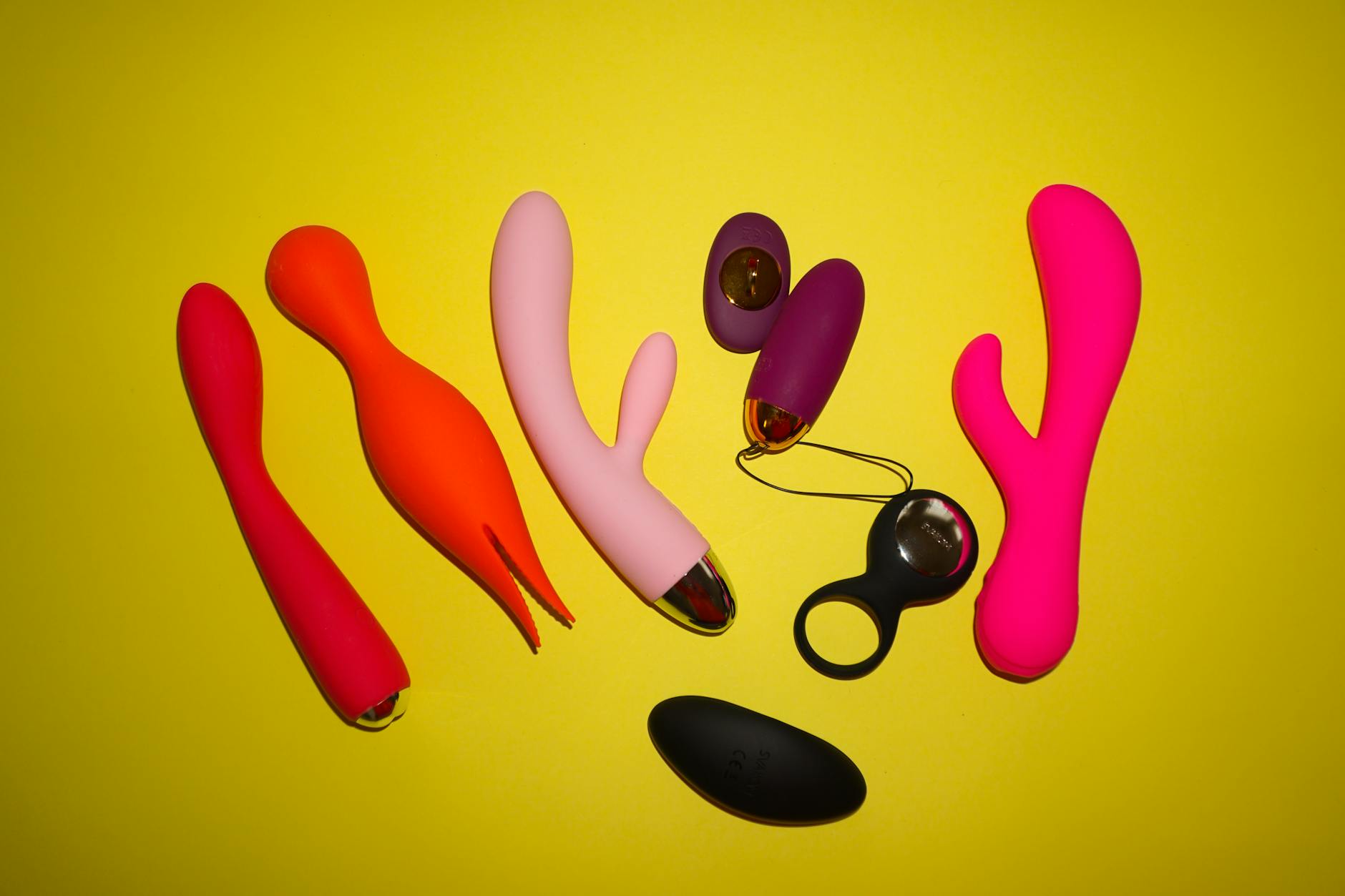
Here's what nobody tells you about coming off the pill
The first few weeks after stopping hormonal birth control, you might feel like you've woken up as a different person. That's not dramatic. That's your neurochemistry actually shifting. Hormonal contraceptives suppress your natural estrogen and progesterone cycles. When they stop, your body goes through a recalibration period where arousal, sensation, and desire can feel completely unfamiliar. Some people report a surge in libido. Others describe numbness, difficulty reaching orgasm, or pleasure that feels muted.
The catch? Your nervous system doesn't know this is temporary. It just knows something's different.
What actually changes when you stop hormonal contraception
Hormonal birth control works by maintaining steady, low levels of estrogen and progesterone. Your brain stays in a kind of biochemical holding pattern. The moment you stop, your hypothalamus gets the signal to start signaling your ovaries again. Over the next few weeks, hormone levels fluctuate wildly as your cycle reestablishes itself.
Here's what that does to pleasure:
Sensation sensitivity shifts. Estrogen affects tissue thickness, blood flow to the genitals, and nerve responsiveness. When you've been on hormonal contraception for years, your body has adapted to lower estrogen levels. Coming off it means tissues start thickening again, blood flow increases, and nerve sensitivity rewakes. But this happens unevenly. Some days you'll feel hypersensitive. Other days, numb.
Arousal timing changes. The pill doesn't just regulate hormones. It flattens your natural desire curve. You're not cycling through phases of high and low libido because the hormone levels aren't cycling. Once you stop, that rhythm comes back. Many people find arousal builds more slowly at first, then eventually cycles naturally through the month.
Orgasm intensity resets. A lot of people report that orgasms felt muted on hormonal contraception. That's because progesterone dampens central nervous system activation. When it returns to natural fluctuation, orgasms can feel more intense, but also more variable. One week they might arrive easily. The next, they require more focused attention.
Libido responds to your actual hormones again. This is the thing that surprises people most. On the pill, desire is disconnected from your natural hormonal rhythm. Off it, testosterone (yes, your body produces it) and estrogen start influencing desire again. For some people this means a surge in libido that feels almost startling. For others, it takes weeks for desire to return while the body settles.
Why the first month is the hardest
Your body doesn't immediately trust that the hormones are gone. The first 2-4 weeks after stopping, many people experience withdrawal symptoms: mood swings, spotting, headaches, and sexual side effects that feel worse than being on the pill. This is normal. Your endocrine system is essentially saying, "Wait, are you sure about this decision?"
During this phase, pleasure often feels scrambled. You might feel hypersensitive to touch one day and completely unresponsive the next. This is not a sign that something is broken. It's a sign that your nervous system is recalibrating.
This is exactly when a lemon clitoral vibrator becomes useful. Unlike a partner's hand or mouth, it doesn't require you to manage someone else's experience or worry about performance. It lets you explore what sensation feels good right now, in this exact moment, with this exact body chemistry.
How to use a lemon vibrator during hormone recalibration
Start with lower intensity settings. The Lem vibrator has multiple patterns and intensity levels for a reason. During the early weeks of coming off hormonal contraception, your tissues are more sensitive to stimulation. Start at pattern 1 or 2 and work up. You're not testing your tolerance. You're gathering data about what feels good.
Experiment across your cycle, once it returns. One of the benefits of coming off hormonal contraception is that you get a real cycle back. Once your period returns and stabilizes (usually 1-3 months), you'll notice that sensation varies by week. This is normal and actually useful. A lemon sucker vibrator might feel amazing during the follicular phase (after your period, before ovulation) when estrogen is rising and sensation is heightened. During the luteal phase, you might prefer longer warm-up and deeper pressure. Track what feels best in each phase. Your body is giving you real information.
Use it without performance pressure. The biggest gift of solo exploration with a clitoral vibrator during this transition is that there's no audience. You don't have to come. You don't have to feel a certain way. You're literally just asking your body: what does pleasure feel like right now? A lemon adult toy lets you take that question seriously without the cognitive load of managing someone else's experience or expectations.
Connect pleasure to breath. As your nervous system recalibrates, breathing helps anchor sensation. Before you start using your lemon vibrator, take three deep breaths. During use, stay with slow exhales. This isn't meditation. It's pragmatic nervous system regulation that makes sensation clearer and orgasm more accessible.
When you're sharing this transition with a partner
If you're in a relationship and your partner doesn't understand what's happening, they might interpret changes in your desire or response as something they did or something wrong with the relationship. Spoiler: it's neither.
Here's what helps: tell your partner explicitly that your body is resetting and that sensation will be unpredictable for a while. Introducing a lemon vibrator into partnered sex can actually deepen intimacy during this transition. It takes the pressure off your partner to "fix" your arousal and lets both of you focus on exploration together. You're not using the vibrator because your partner isn't enough. You're using it because your nervous system is literally different right now.
Many couples find that integrating a lemon sexual toy into foreplay gives them a shared project during what could otherwise feel like a confusing or frustrating period. You're both learning how your body responds to stimulation now.
Red flags that mean you need more support
Some sexual side effects after stopping hormonal contraception warrant professional attention. If you're experiencing pain during sex that wasn't there before, or if your libido hasn't returned after 3-4 months, check in with a healthcare provider. Sometimes coming off hormonal contraception reveals underlying issues like hormonal imbalances, pelvic floor dysfunction, or relationship dynamics that the pill was masking.
It's also worth noting that the first few months off hormonal contraception can be emotionally intense. Your mood might shift more dramatically than it did on the pill. This is real and valid. If it's affecting your relationship or your wellbeing, talking to a therapist who understands the mood effects of coming off contraception can help.
The plot twist: pleasure often gets better
Here's what I've seen repeatedly in my practice. People come off hormonal contraception expecting to feel worse sexually. Instead, after the recalibration period (usually 2-4 months), many people report that pleasure feels richer, orgasms feel more intense, and desire feels more connected to their actual body. Lemon clitoral vibrators like the Lem tend to work even better once your natural hormones settle, because they're stimulating tissues that are responding to your real, unmedicated arousal.
You're not starting from scratch. You're returning to a version of your sexuality that's been dormant while you were on hormonal contraception. A lemon vibrator just makes the return journey clearer and less lonely.
People also ask
How long does it take for sexual sensation to return to normal after stopping birth control?
Most people experience significant changes within 2-4 weeks. Full hormonal recalibration typically takes 3-4 months, and sometimes up to 6 months for everything to feel stable again. But "normal" doesn't mean it returns to what it was before the pill. Often it's better, because your body is now responding to your actual hormones instead of synthetic ones. Every body is different, so patience matters here.
Can a lemon vibrator help with low libido after stopping hormonal birth control?
Yes, but not by forcing arousal. A lemon clitoral vibrator helps by giving you a way to explore sensation without performance pressure. When you're struggling to feel desire, having a tool that lets you investigate what feels good without needing to perform for a partner can actually make desire return faster. You're gathering evidence that pleasure is possible in your new body.
Is it normal to feel numb after coming off the pill?
Completely normal. Hormonal contraception suppresses sensation, so some numbness in the first weeks is expected. If numbness persists beyond 2 months, check in with a healthcare provider to rule out hormonal imbalances or nerve issues. In the meantime, a clitoral vibrator can help you locate sensation more easily by providing consistent, focused stimulation.
Should I use a lemon vibrator solo or with my partner during this transition?
Both are valid. Solo exploration helps you understand what your body needs without managing someone else's experience. Partnered use lets you both learn your new rhythm together. Many people find that starting solo helps them feel confident, then introducing it with a partner deepens connection. There's no wrong answer, just what feels right for you.
Will my orgasms feel different after stopping hormonal birth control?
Often yes, and usually in a good way. Many people report that orgasms feel more intense, more full-body, and easier to reach once their hormones settle. But there's a transition period where they might feel weaker or less reliable. This is temporary. Exploring with a lemon sucker vibrator during this phase can help you identify what patterns of stimulation work best with your new chemistry.
How do I know if my issues are hormonal or relational?
This is the million-dollar question, and honestly, it's hard to untangle. One way to test it: Does pleasure feel different in solo situations (with a lemon vibrator, for example) than it does with your partner? If you feel sensation easily alone but struggle with a partner, that's often relational or psychological. If sensation feels muted in both contexts, it's likely hormonal. Either way, naming the difference with your partner and possibly with a therapist helps.
The bottom line
Coming off hormonal birth control is a legitimate life transition. Your body deserves attention and patience during this recalibration period. A lemon vibrator isn't a workaround. It's a tool for self-knowledge. It lets you ask your body what it needs without judgment or performance pressure. Pleasure is returning. It might just feel different than before. And often, that different is exactly what you've been waiting for.